
Fast, Reliable Air Quality & Sanitizing Across Agawam
Air quality and sanitizing service in Agawam, MA typically costs between $275 and $650 depending on the treatment type, and most jobs can be scheduled within 24–48 hours. If you’re noticing musty odors when your furnace kicks on, or your family is dealing with persistent allergy symptoms in a 1950s–1970s ranch or split-level, your ductwork is likely harboring mold and bacteria that standard filter changes won’t touch. We handle these exact conditions throughout Agawam’s older neighborhoods — from the river-adjacent homes near River Road to the capes lining Springfield Street — and we bring our Air Quality & Sanitizing expertise directly to your door. Call (866) 531-5603 for a free estimate.
Why Elite Air Duct Cleaning Service Connecticut Is Agawam’s Preferred Air Quality & Sanitizing Company
Matthew Gonzalez has spent 20 years in the duct cleaning trade, and he’s personally treated systems in Agawam’s post-war subdivisions enough to know which streets have the worst basement moisture issues. We’re not a franchise sending rotating crews — Matthew handles your job personally, owner on-site, every time. Our 663 verified reviews averaging 4.9 stars include repeat calls from Agawam homeowners who’ve seen the difference that professional-grade equipment makes compared to coupon-driven services. From the lower-lying neighborhoods near the Connecticut River corridor up to the Feeding Hills section, we understand how Agawam’s valley humidity profile changes what your ducts need. Two decades of duct systems means we’ve seen — and fixed — just about everything.
Our Air Quality & Sanitizing Services in Agawam
Mold Treatment
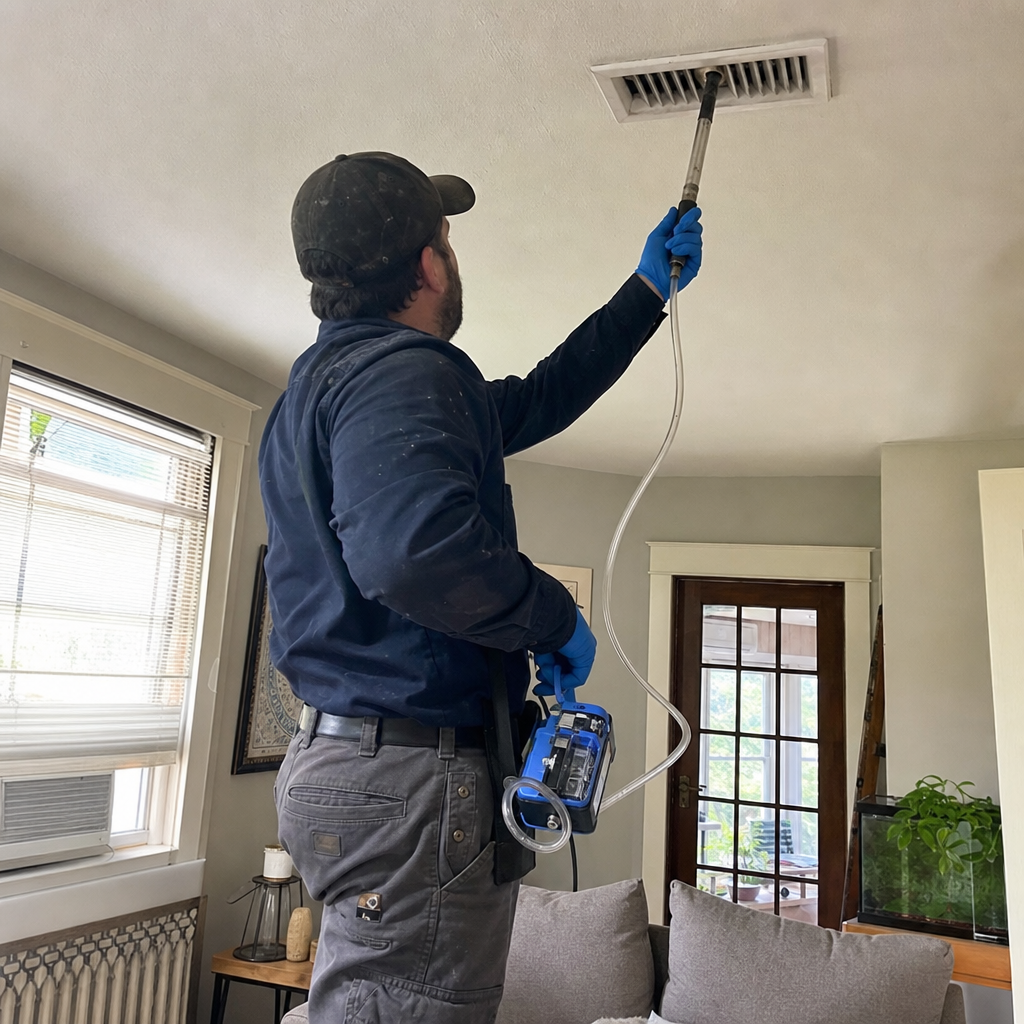
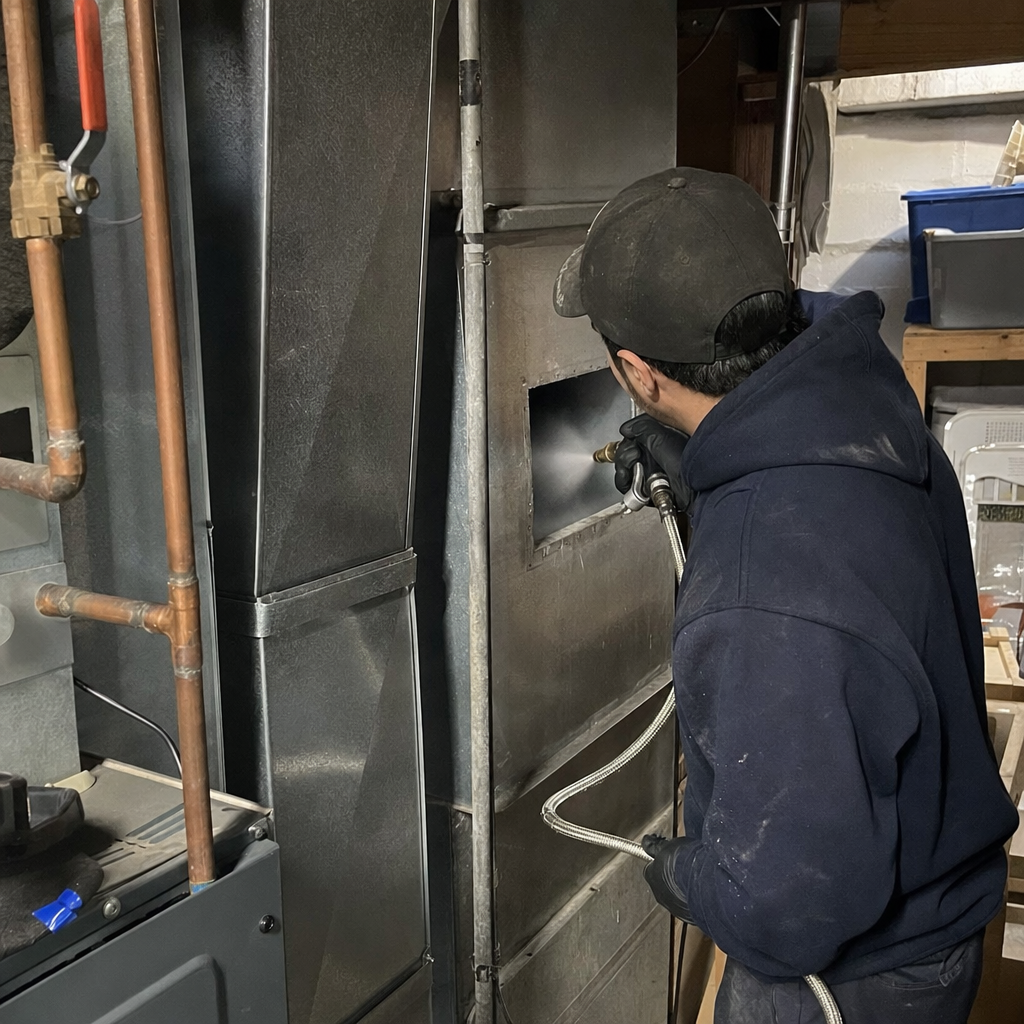
Agawam’s low-lying position along the Connecticut River valley creates a persistently humid microclimate that accelerates mold and mildew growth inside aging duct systems — a condition far less common in higher-elevation towns like Southwick or Granville nearby. We recently treated a severe mold infestation in a 1960s split-level on River Road, near the Connecticut River. The original uninsulated sheet-metal ductwork in the basement had developed extensive mold colonies migrating from foundation moisture. Using Rotobrush agitation and Abatement Technologies HEPA filtration, we removed visible mold and applied a Guardsman antimicrobial sanitizer, restoring air quality and eliminating the musty odor. Homes in Agawam’s lower-lying neighborhoods frequently experience seasonal basement seepage; technicians regularly find that ductwork routed through these basements harbors mold colonies that have migrated from foundation moisture — a condition that shows up far more often here than in the elevated Feeding Hills section on the town’s western side.
Bacteria Sanitizing
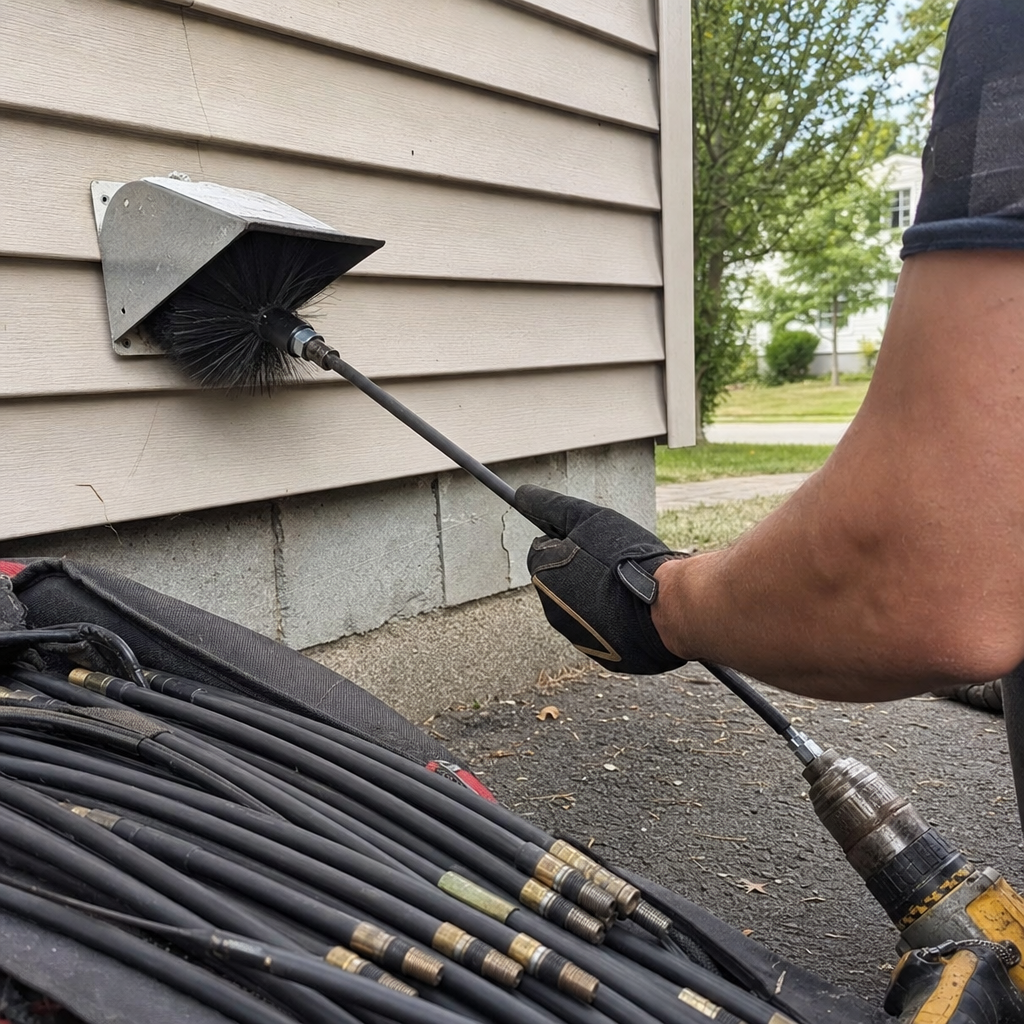
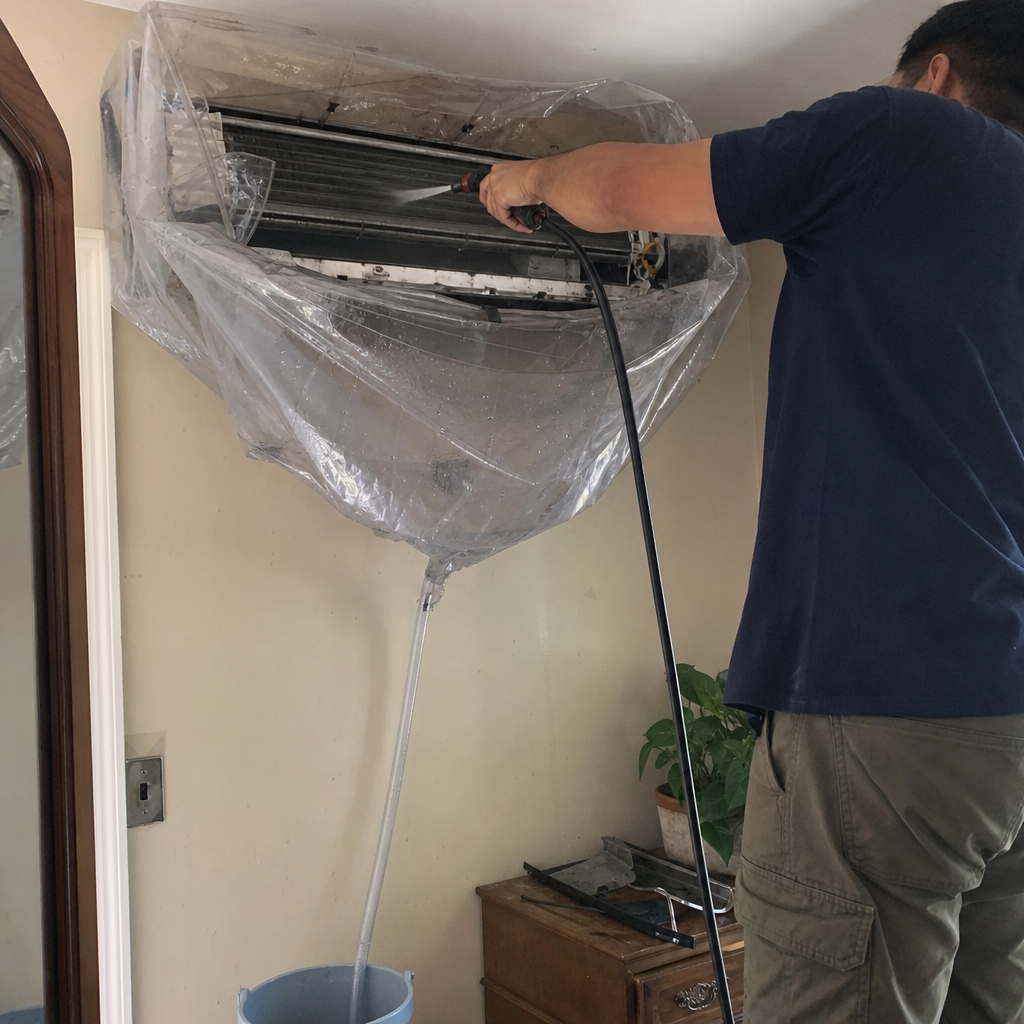
Western Massachusetts runs furnaces hard from October through April, meaning forced-air systems in Agawam log exceptionally long annual run hours and accumulate particulate load faster than homes in milder climates. That constant airflow through decades-old ductwork creates ideal conditions for bacterial growth, especially where organic debris has collected in seams of original sheet-metal systems. We apply hospital-grade sanitizers using Abatement Technologies equipment, targeting the biofilm that standard cleaning misses. For Agawam’s 1950s–1970s housing stock, this isn’t optional maintenance — it’s corrective work for systems that were never designed for today’s air quality standards.
Odor Removal
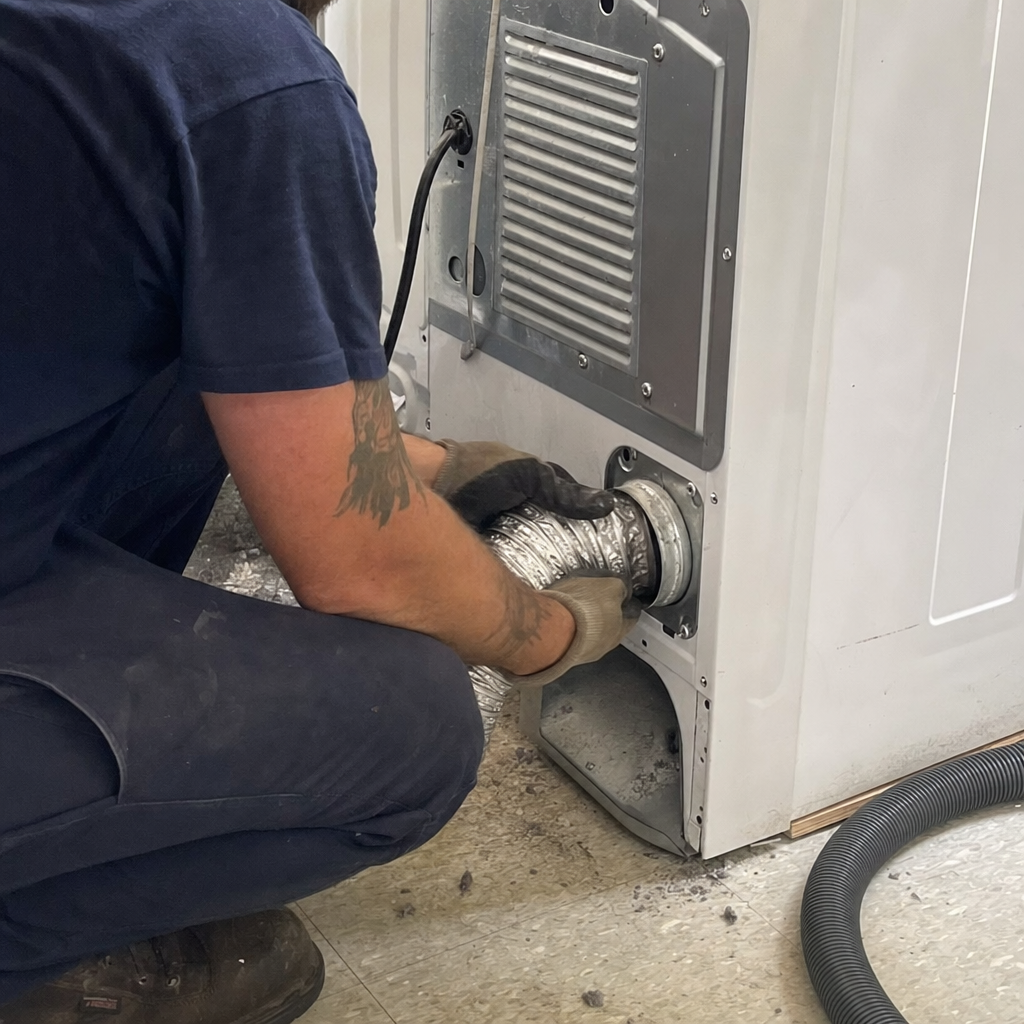
That damp, earthy smell when your heat first cycles on? In Agawam, it’s usually mold metabolites and accumulated organic debris in basement-run ducts, not a “dirty house” problem. The town’s river-generated ground fog and above-average valley humidity keep duct interiors damp long after heating cycles end, creating conditions where odors persist even after surface cleaning. We source-track the smell, treat the affected duct runs with targeted sanitizing agents, and verify results with post-treatment inspection. For homes near the Connecticut River corridor, this often requires addressing foundation moisture pathways — not just masking odors with consumer-grade sprays.
UV Light Installation
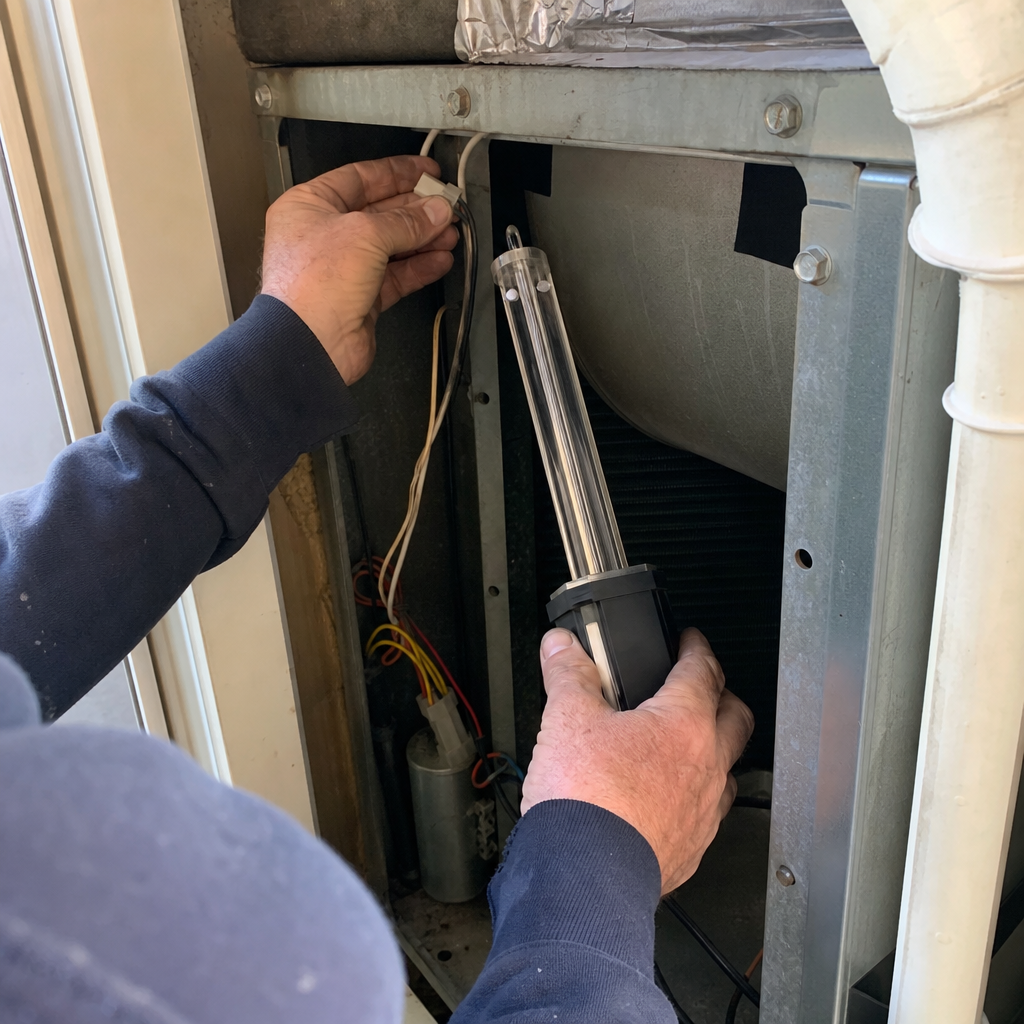
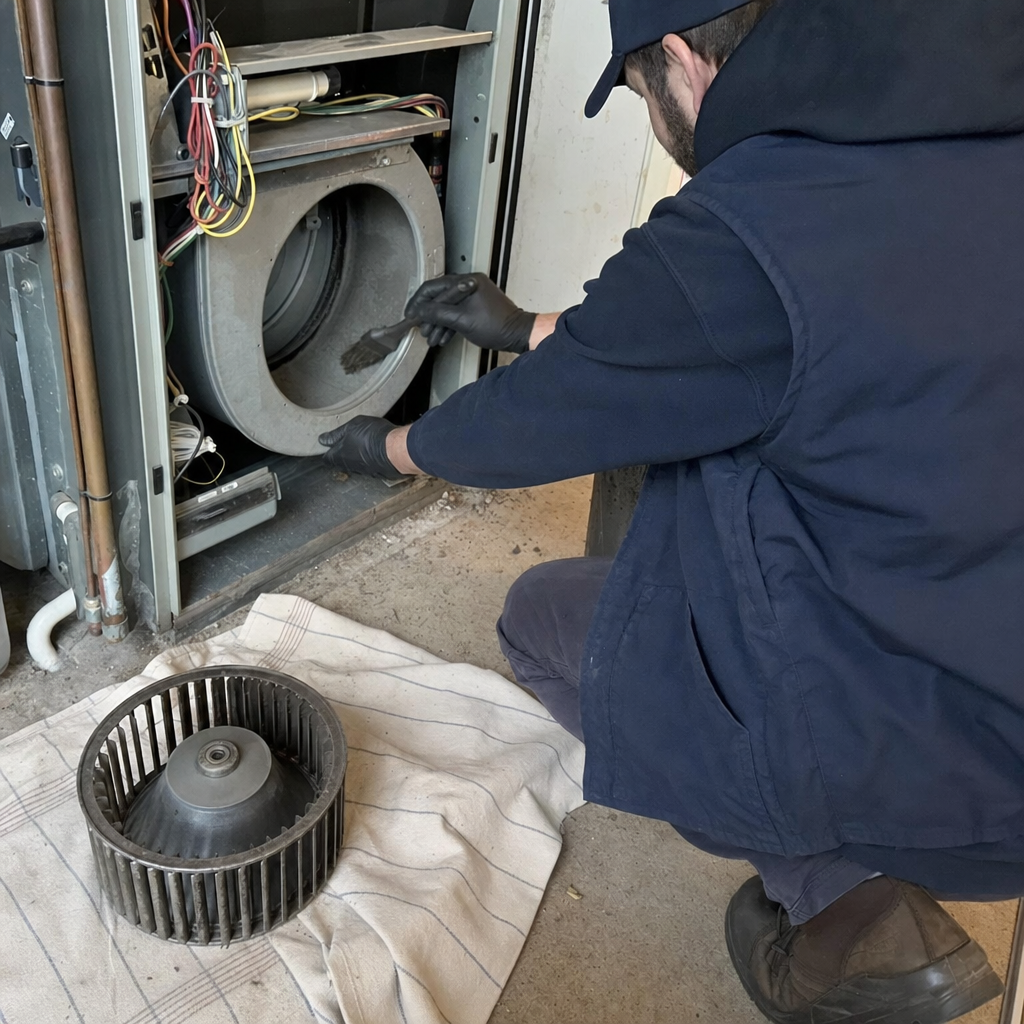
UV-C light systems installed at the coil or in the return plenum can suppress mold and bacterial regrowth in Agawam’s chronically humid basement duct environments. We size and position these units based on your system’s airflow and the specific microbial load we’ve documented — not with a one-size-fits-all approach. For Agawam’s aging uninsulated ductwork, UV installation is often paired with sealing work to prevent new moisture intrusion. We use Honeywell and Aprilaire components sized to your system’s CFM, not generic units that lose effectiveness within months.
What happens when you call
- 1
A real person answersNo phone trees — you reach a local pro.
- 2
You get an upfront price rangeHonest numbers before anyone is dispatched.
- 3
A background-checked tech heads outLicensed & insured, dispatched right away.
- 4
You approve before work beginsNothing starts until you say go.
Trusted Brands We Service in Agawam
We use Rotobrush and Nikro equipment because your air quality isn’t a DIY project — these are the same commercial-tier systems used in industrial and medical settings, not consumer vacuums with attachments. For sanitizing treatments in Agawam homes, we apply Guardsman antimicrobial products and Abatement Technologies HEPA containment, the combination we’ve found most effective against the mold strains common to Connecticut River valley humidity. We stock replacement UV bulbs and media for Honeywell and Aprilaire systems, so Agawam customers aren’t waiting on shipped parts when their air quality system needs attention. From cleaning to sealing to sanitizing — one call covers your entire duct system.
Common Air Quality & Sanitizing Problems We See in Agawam Homes
- Basement duct sweating corrodes metal and breeds mold. Agawam’s housing stock is dominated by single-family ranches, capes, and split-levels built during the 1950s–1970s suburban expansion, many retaining original ductwork routed through unconditioned basements. Those basement-run ducts are frequently uninsulated, leaving them prone to sweating during humid stretches and accumulating decades of dust, mold spores, and fibrous debris from original duct-wrap materials.
- Mold colonies from seasonal seepage migrate into ductwork. Homes in Agawam’s lower-lying neighborhoods near the Connecticut River corridor frequently experience seasonal basement seepage and high subsurface humidity; technicians regularly find that ductwork routed through these basements harbors mold colonies that have migrated from foundation moisture — requiring thorough sanitizing beyond simple cleaning.
- Long furnace seasons overwhelm standard filtration. Western Massachusetts also runs furnaces hard from October through April, meaning forced-air systems log exceptionally long annual run hours and accumulate particulate load faster than homes in milder climates, overwhelming standard filters and necessitating more frequent sanitizing.
- Original sheet-metal seams separate with age, creating debris reservoirs. Agawam emerged as a post-WWII bedroom community for Springfield workers, resulting in a dense concentration of 1950s–1970s ranch, cape, and split-level homes whose original sheet-metal forced-air duct systems are now 50–70 years old — an age at which seam separation, insulation degradation, and deep debris accumulation are common.
Pricing for Air Quality & Sanitizing in Agawam, MA
| Service | Typical Range in Agawam |
|---|---|
| Bacteria Sanitizing (whole system) | $275 – $425 |
| Mold Treatment (localized, single zone) | $350 – $550 |
| Mold Treatment (whole-system, severe) | $550 – $850 |
| Odor Removal & Source Treatment | $325 – $500 |
| UV Light Installation (single unit) | $450 – $650 |
| UV Light Installation (dual, coil + return) | $750 – $1,100 |
What moves you within these ranges? Severity of contamination, accessibility of duct runs, whether your system needs pre-cleaning before sanitizing, and if we’re addressing foundation moisture pathways that require coordination with your waterproofing contractor. Homes in Agawam’s river-adjacent neighborhoods often need more extensive treatment than elevated Feeding Hills properties due to chronic humidity loading. We assess every system in person — call (866) 531-5603 for a free estimate with exact pricing for your home.
We Also Serve Cities Near Agawam
We regularly cross the Connecticut River to treat systems in Longmeadow, Springfield, West Springfield, and East Longmeadow — the same valley humidity patterns affect ductwork throughout this corridor. If you’re in a neighboring community and seeing the same musty-odor or allergy-symptom patterns, we apply the same Agawam-tested protocols to your home.
Serving Agawam, MA — Our Local Coverage Area
We’re based in the Agawam area and know this community well. Use the map below to see our service coverage — if you’re nearby, we can almost certainly help.
FAQs — Air Quality & Sanitizing in Agawam
Agawam’s low-lying position along the Connecticut River valley creates a persistently humid microclimate that accelerates mold and mildew growth inside aging duct systems, a condition far less common in higher-elevation towns like Southwick or Granville nearby. The river-generated ground fog and above-average valley humidity keep basement ductwork damp long after heating cycles end, while Southwick’s upland elevation provides natural drainage and airflow that reduces subsurface moisture accumulation. If you’re seeing mold indicators in your Agawam home, call (866) 531-5603 for a free inspection — estimates are free.
Seasonal basement seepage in Agawam’s lower-lying neighborhoods introduces continuous moisture into uninsulated basement ductwork, which means sanitizing alone is often insufficient without addressing the moisture source or improving duct insulation. We regularly find that mold colonies have migrated from foundation moisture into sheet-metal runs, requiring treatment of both the biological contamination and the environmental conditions that support regrowth. For homes with chronic seepage, we may recommend coordinating with a waterproofing contractor alongside our sanitizing work — call (866) 531-5603 to discuss your specific situation.
We use Rotobrush mechanical agitation systems, Abatement Technologies HEPA containment and negative air machines, and Guardsman antimicrobial products for sanitizing treatments in Agawam homes. For UV light installations, we specify Honeywell and Aprilaire components sized to your system’s airflow. These are professional-grade tools — the same equipment used in industrial and medical settings — not consumer-grade alternatives. Call (866) 531-5603 for specifics on what your system needs.
Agawam homes with original 1950s–1970s ductwork should have air quality assessed every 2–3 years, with sanitizing performed when mold, bacteria, or odor indicators are present — more frequently if occupants have allergy sensitivities or if the home is in a lower-lying neighborhood with chronic basement moisture. The combination of aged sheet-metal systems, valley humidity, and long furnace run seasons creates accelerated contamination compared to newer construction in drier climates. Call (866) 531-5603 to schedule an assessment and get a maintenance schedule tailored to your home’s location and duct condition.
UV-C light installation can significantly suppress mold and bacterial regrowth in Agawam’s humid basement duct environments when properly sized and positioned, but it works best as part of a comprehensive approach that may include duct sealing and moisture control. UV alone won’t overcome active water intrusion or severely compromised duct insulation — it’s a maintenance tool, not a remediation substitute. For Agawam’s river-adjacent homes with chronic humidity, we typically recommend UV paired with improved filtration and periodic sanitizing. Call (866) 531-5603 to discuss whether UV installation makes sense for your specific system and moisture conditions.
Written by Matthew Gonzalez, Owner at Elite Air Duct Cleaning Service Connecticut, serving Agawam and the Connecticut River valley since 2004.